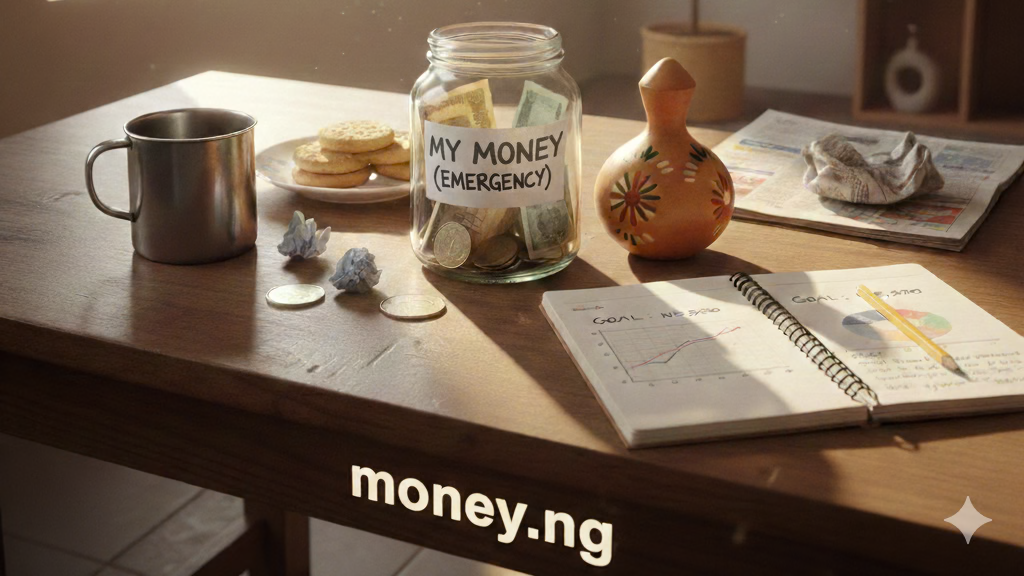
Unexpected expenses are a part of life in Nigeria. Medical bills, urgent repairs, job interruptions, and family emergencies can happen without warning. Unfortunately, many Nigerians are forced to rely on loans or borrowing when these situations arise.
Building an emergency fund, even on a low income, is one of the most effective ways to achieve financial stability. This guide explains how Nigerians can build an emergency fund without earning much, using practical and realistic strategies.
Fixed Deposit vs Savings Apps in Nigeria: Which Pays More?
Table of Contents
What Is an Emergency Fund?
An emergency fund is money set aside specifically for unexpected expenses, not for regular spending or investments.
Examples of emergencies include:
- Medical bills
- Car or phone repairs
- Temporary loss of income
- Urgent family needs
The goal is to avoid high-interest loans during difficult moments.
“high-interest loans” to Best Loan Apps in Nigeria (2026 Review)
How Much Emergency Savings Do You Really Need?
A common recommendation is to save 3–6 months of basic expenses, but this can feel overwhelming for low-income earners.
A more realistic approach:
- Start with ₦50,000 – ₦100,000
- Gradually grow it over time
- Focus on consistency, not size
What matters most is having something available, not perfection.
Why Most Nigerians Struggle to Save
Several challenges make saving difficult:
- Irregular income
- High cost of living
- Family financial obligations
- Easy access to instant loans
Without a dedicated plan, emergencies often push people into debt cycles. Is It Safe to Use Loan Apps in Nigeria?
Step-by-Step: Building an Emergency Fund on a Low Income
1. Start Small and Stay Consistent
You do not need a large amount to begin. Saving:
- ₦500 daily
- ₦2,000 weekly
- ₦5,000 monthly
Consistency matters more than amount.
2. Separate Emergency Money From Spending Money
Emergency savings should not be mixed with everyday funds.
Options include:
- A dedicated savings app
- A separate bank account
- Locked savings options
3. Automate Your Savings
Automation removes discipline problems. Many digital platforms allow:
- Automatic transfers
- Scheduled deductions
- Locked savings plans
This makes saving effortless, even on low income.
4. Avoid Using Emergency Funds for Non-Emergencies
Common mistakes include:
- Using emergency funds for shopping
- Borrowing from it for lifestyle expenses
- Treating it as regular savings
Only real emergencies should touch this fund.
5. Refill the Fund After Every Emergency
If you use your emergency savings:
- Restart immediately
- Go back to small contributions
- Avoid replacing it with loans
This habit builds long-term financial resilience.
Where Should You Keep Your Emergency Fund?
Emergency funds should be:
- Easily accessible
- Relatively safe
- Not too restrictive
Best options include:
- Flexible savings apps
- High-interest savings accounts
- Short-term savings plans
Emergency Fund vs Borrowing: Which Is Better?
Having an emergency fund:
- Reduces stress
- Prevents loan dependency
- Protects your credit profile
Borrowing during emergencies often leads to:
- High interest
- Short repayment timelines
- Financial pressure
Frequently Asked Questions (FAQ)
Can I build an emergency fund if I earn very little?
Yes. Small, consistent savings can grow over time.
Should I invest my emergency fund?
No. Emergency funds should be liquid and low-risk.
Is it okay to use loan apps instead of saving?
Loans should be a last resort, not a replacement for emergency savings.
Conclusion
Building an emergency fund in Nigeria is possible—even without a high income. The key is starting small, staying consistent, and keeping the money accessible.
An emergency fund gives you peace of mind, protects you from high-interest loans, and strengthens your overall financial health.