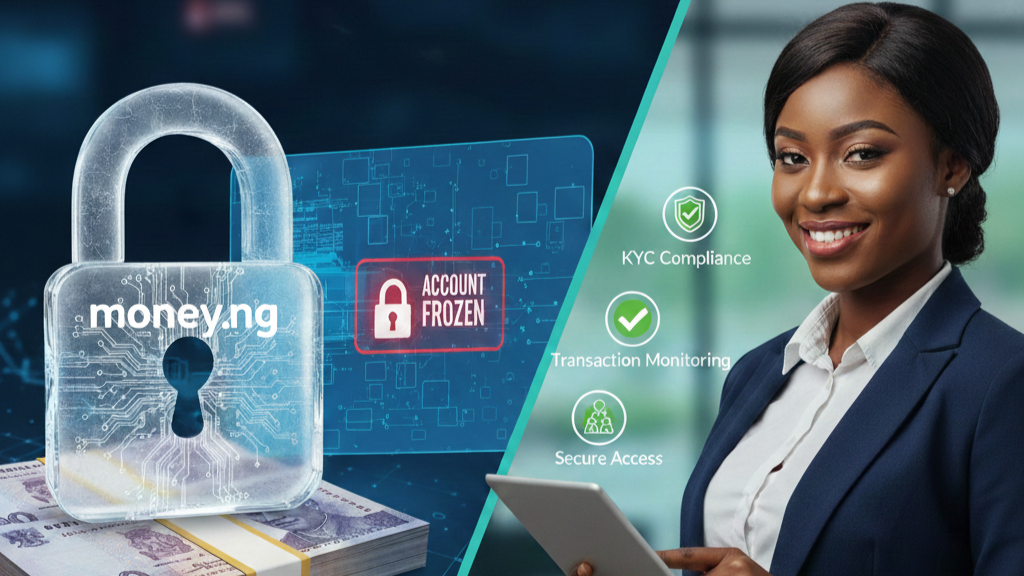
Bank account freezes have become increasingly common in Nigeria, leaving many individuals and businesses unable to access their money without warning. For most people, this can be frustrating, confusing, and financially disruptive.
In many cases, Nigerian banks freeze accounts due to regulatory requirements, suspicious transaction patterns, or incomplete customer information. While some freezes are temporary and easily resolved, others can last weeks or even months if not handled properly.
This guide explains why Nigerian banks freeze accounts, the most common triggers, and practical steps you can take to avoid or resolve an account freeze.
Why Do Nigerian Banks Freeze Accounts?
Banks in Nigeria operate under strict regulations from the Central Bank of Nigeria (CBN) and other regulatory bodies. When an account shows certain risk signals, banks are legally required to restrict it until the issue is resolved.
Account freezes are usually preventive measures, not punishments.
Common Reasons Nigerian Banks Freeze Accounts
1. Suspicious or Unusual Transactions
Large deposits, sudden withdrawals, or frequent transfers that do not match your normal transaction pattern may trigger internal bank alerts.
This is especially common when:
- You receive large sums unexpectedly
- Multiple transfers come from different sources
- You move funds rapidly between accounts
Banks may temporarily freeze the account to verify the source of funds.
2. BVN or KYC Issues
Incomplete or outdated Know Your Customer (KYC) details are one of the most common reasons for account freezes in Nigeria.
Your account may be frozen if:
- Your BVN is not linked
- Your personal information does not match BVN records
- The required documents were never submitted
3. Regulatory Directives from CBN
Sometimes, banks freeze accounts at the direct instruction of regulators.
Examples include:
- Industry-wide compliance audits
- Sector-specific investigations
- Enforcement of new financial regulations
In these cases, the freeze typically affects multiple accounts simultaneously.
4. Involvement in Disputed or Reversed Transactions
If your account is linked to:
- Chargeback disputes
- Failed POS or online payments
- Fraud investigations
The bank may restrict withdrawals until the dispute is resolved.
5. Court Orders or Legal Issues
Accounts can be frozen due to:
- Court injunctions
- Debt recovery cases
- Law enforcement investigations
Banks are legally obligated to comply and may not be able to disclose full details immediately.
Signs Your Bank Account May Be at Risk of Freezing
- Transactions suddenly fail without explanation
- ATM withdrawals are blocked
- Online banking access is restricted
- Customer service informs you of “restrictions”
Acting early can prevent a full freeze.
How to Avoid Having Your Bank Account Frozen
1. Keep Your KYC Information Updated
Ensure your bank has:
- Valid ID
- Correct address
- Linked BVN
- Updated phone number and email
Visit your bank branch if unsure.
2. Avoid Using Personal Accounts for Business Transactions
Running business payments through a personal account increases risk.
If you receive regular payments from customers:
- Open a business account
- Use proper transaction descriptions
3. Be Careful with Large or Unusual Transfers
If you expect a large inflow:
- Notify your bank in advance, where possible
- Keep documentation showing the source of funds
4. Monitor Your Account Regularly
Early detection helps prevent prolonged restrictions. Check:
- Transaction alerts
- Email notifications
- Mobile banking messages
What to Do If Your Bank Account Is Already Frozen
- Contact your bank’s customer support immediately
- Ask for the exact reason for the freeze
- Provide requested documents promptly
- Visit a physical branch if online support is slow
Avoid sending angry messages or making repeated withdrawals; it does not speed up resolution.
How Long Do Bank Account Freezes Last in Nigeria?
- KYC-related freezes: 24–72 hours after update
- Transaction review: a few days to a few weeks
- Legal or regulatory cases: weeks to months
The duration depends entirely on the reason.
Why would a Nigerian bank freeze an account without notice?
Banks may freeze accounts immediately if they detect suspicious activity or receive regulatory instructions. Notification often comes after the freeze.
Can I withdraw money from a frozen account?
No. Most freezes restrict withdrawals until the issue is resolved.
Does a frozen account mean I did something illegal?
Not necessarily. Many freezes are caused by compliance checks or documentation issues.
Can a bank freeze my account permanently?
Permanent freezes are rare and usually involve legal cases or court orders.
Conclusion
Bank account freezes in Nigeria are usually the result of regulatory compliance, security checks, or incomplete information — not personal targeting. Understanding the causes and keeping your account details updated significantly reduces your risk.
If your account is frozen, act quickly, cooperate with your bank, and provide all requested information. Prevention is always easier than resolution.