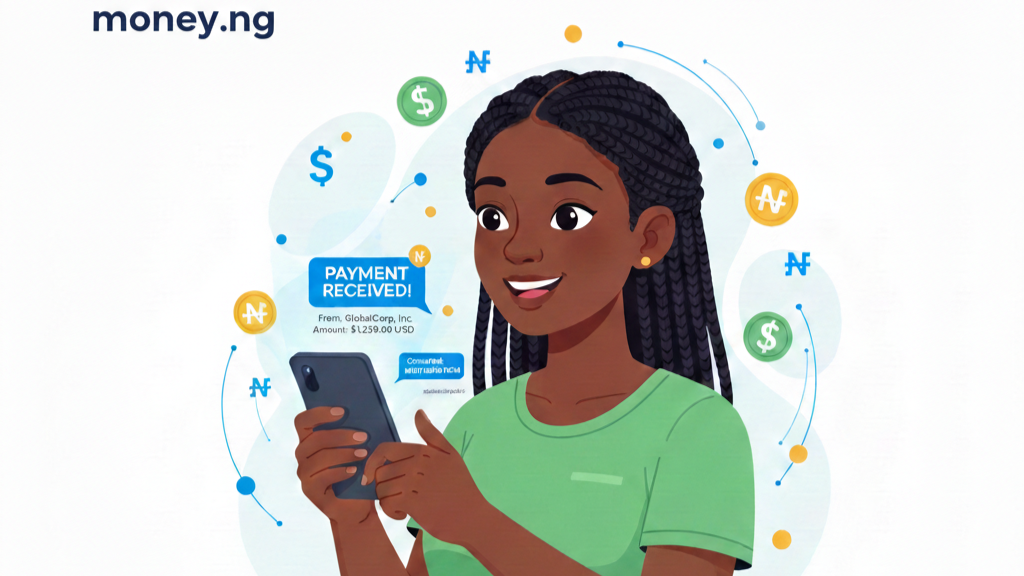
Receiving payments from abroad is becoming increasingly common in Nigeria as freelancers, remote workers, and online entrepreneurs work with international clients. However, many Nigerians face delays, rejections, frozen accounts, or hidden charges when receiving foreign transfers.
Understanding the safest and most reliable methods ensures you get paid quickly, avoid unnecessary fees, and prevent banking problems.
Table of Contents
Best Ways Nigerians Receive Foreign Payments
1. International Bank Transfers (SWIFT)
Most traditional method. Clients send money directly to your Nigerian bank account.
Pros
- Secure
- Reliable
- Suitable for large payments
Cons
- High fees
- Slow (2–5 days)
2. Online Payment Platforms
Platforms like Paystack and Flutterwave allow international clients to pay using cards or bank transfers.
Best for:
- freelancers
- online businesses
- digital services
3. Digital Wallets
Some global wallets allow transfers into Nigerian accounts or virtual dollar balances.
Benefits:
- Faster payments
- Better exchange rates
- Lower transfer costs
Why Foreign Payments Fail
Payments may be delayed or rejected because of:
- Incorrect account details
- Compliance checks
- Suspicious activity flags
- Currency conversion issues
Repeated payment failures can even trigger account reviews. Why Nigerian Banks Freeze Accounts (And How to Avoid It)
How to Avoid Problems Receiving Money
- Always confirm SWIFT/BIC codes
- Use accounts with international transaction support
- Avoid sudden large transfers if the account history is small
- Notify your bank before large foreign payments
Cheapest Way to Receive Foreign Payments
For most Nigerians:
| Method | Cost | Speed | Best For |
|---|---|---|---|
| Card Payment Platforms | Low | Fast | Freelancers |
| Bank Transfer | Medium | Slow | Large payments |
| Wallet Transfers | Low | Fast | Online workers |
FAQ
Can Nigerian banks block foreign payments?
Yes. If a transaction looks suspicious, banks may hold it for verification.
What currency is best to receive payments in?
What currency is best to receive payments in?
What currency is best to receive payments in?
USD is usually the safest and most widely accepted.
Conclusion
Receiving foreign payments in Nigeria is easy once you use the right method and understand bank policies. Choosing reliable platforms and verifying your details ensures smooth transactions and faster access to your money.