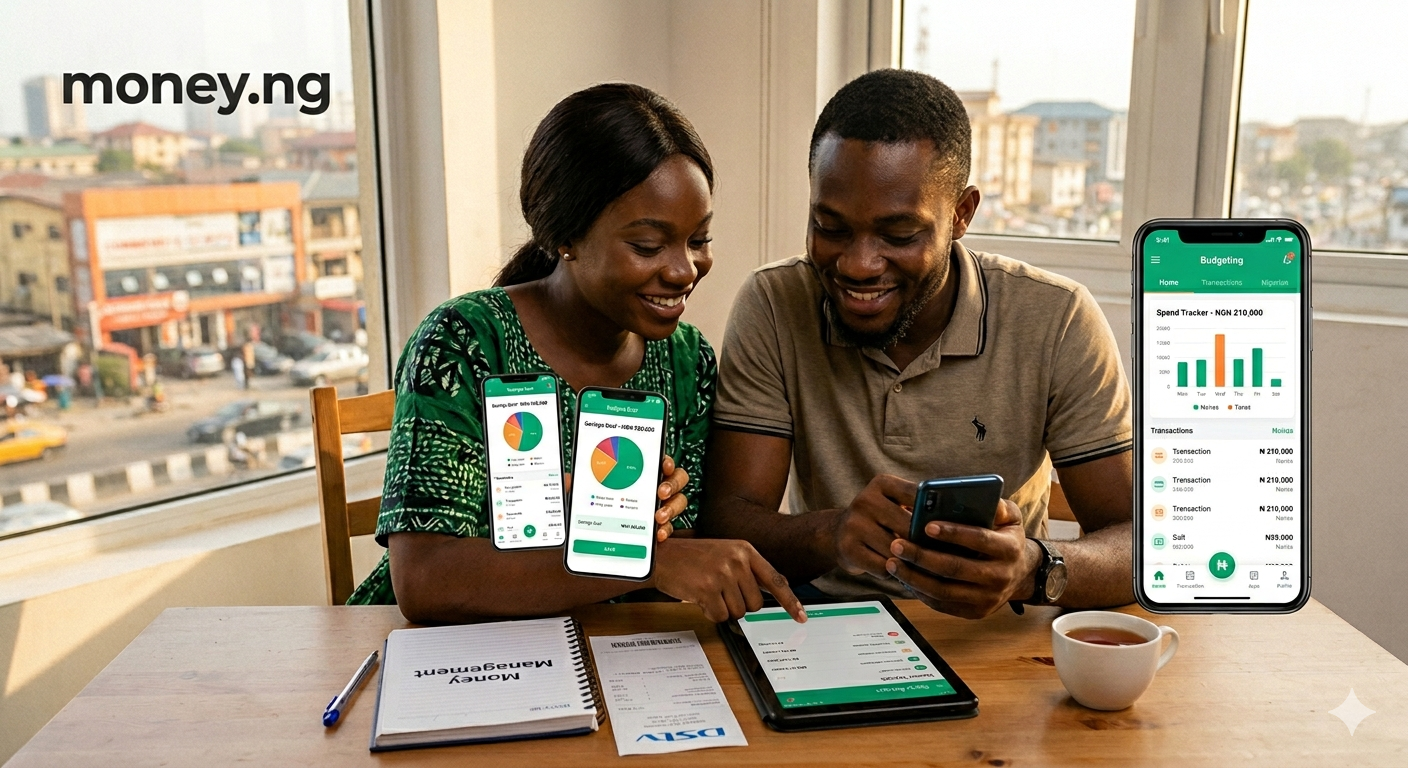
Managing money effectively is one of the biggest financial challenges many Nigerians face today. With rising living costs, naira volatility, and an increasingly cashless economy, it’s easy to lose track of spending.
The good news? Your smartphone is already a powerful budgeting tool if you install the right app.
In this guide, we review the best budgeting apps Nigerians can use in 2026, including both local fintech platforms and global tools that support naira transactions.
Why Budgeting Is Important in Nigeria
Managing money in Nigeria comes with unique challenges:
- Cash is still widely used
- Internet connectivity can be unreliable
- Inflation affects purchasing power quickly
This makes budgeting essential for the following:
- controlling expenses
- building savings discipline
- avoiding unnecessary charges
Many Nigerians lose money without realizing it through hidden deductions. To understand this better, read “Hidden Bank Charges Nigerians Pay Without Knowing.”
Top Budgeting Apps for Nigerians
PiggyVest – Best for Saving, Budgeting & Investing
PiggyVest is one of Nigeria’s most trusted personal finance platforms, used by millions of Nigerians. While it is primarily known as a savings and investment app, it also provides a clear overview of your financial inflows and outflows.
Its SafeLock feature allows users to lock funds until a set date, helping prevent impulsive spending. The Target Savings feature enables users to plan for expenses like rent, school fees, or travel, while AutoSave automates consistent saving.
PiggyVest also offers investment opportunities through its Investify feature, making it a strong all-in-one financial tool.
Strengths
- trusted by millions of Nigerians
- naira-native platform
- automated savings discipline
- investment opportunities
- low entry (from ₦100)
Limitations
- not a full expense tracker
- withdrawal restrictions on locked savings
- limited budgeting analytics
For a broader comparison, see “Best Savings Apps in Nigeria (2026 Review).”
Kuda Bank – Best for Automatic Expense Tracking
Kuda Bank, often called “the bank of the free,” is a digital microfinance bank offering zero-fee banking and built-in budgeting tools.
Its standout feature is automatic expense categorization, allowing users to track spending on food, transport, airtime, and more without manual input.
The Spend and Save feature automatically sets aside a percentage of transactions, making saving effortless.
Strengths
- automatic expense tracking
- zero bank charges
- savings automation
- USSD support
Limitations
- limited investment features
- less effective for cash users
To understand how digital banking compares with traditional methods, see “Mobile Banking vs USSD in Nigeria: Which Is Safer and Cheaper?”
Expensure – Best for Tracking Cash & Daily Expenses
Expensure is a Nigerian-built budgeting app designed specifically for local spending habits.
Unlike many apps, it allows users to track both cash and digital transactions, which is essential in Nigeria’s largely cash-driven economy.
Users can create categories tailored to Nigerian life, such as
- transport fares
- generator fuel
- market purchases
- family contributions
Strengths
- tracks cash and bank spending
- integrates with Nigerian bank cards
- daily spending alerts
- beginner-friendly
Limitations
- manual cash entry required
- no investment features
YNAB (You Need A Budget) – Best for Advanced Budgeting
YNAB uses a zero-based budgeting system, where every naira is assigned a purpose before spending.
This method helps users break out of the paycheck-to-paycheck cycle and build long-term financial control.
Although it requires a subscription, many users find it highly effective.
Strengths
- powerful budgeting system
- supports naira
- strong financial education tools
Limitations
- paid subscription
- limited Nigerian bank integration
- learning curve
GoodBudget – Best for Envelope Budgeting
GoodBudget digitizes the traditional envelope budgeting method, in which money is divided into categories before spending.
This method works well for Nigerians who prefer structured budgeting and family financial planning.
Strengths
- simple and familiar system
- supports shared budgets
- good for households
Limitations
- no bank sync
- manual input required
Wally – Best for Multi-Currency Users
Wally is ideal for Nigerians who earn in both naira and foreign currencies.
It provides:
- expense tracking
- budgeting tools
- financial goal tracking
Strengths
- multi-currency support
- clean interface
- goal tracking
Limitations
- no Nigerian bank integration
- manual entry required
PocketGuard – Best for Controlling Spending
PocketGuard focuses on one key metric: how much money you can safely spend.
It calculates your available balance after deducting bills and savings.
Strengths
- simple spending insights
- visual financial tracking
- smart savings suggestions
Limitations
- limited Nigerian integration
- premium features locked
Side-by-Side Comparison of Budgeting Apps
| App | Free? | ₦ Support | Nigerian Banks | Cash Tracking | Best For |
|---|---|---|---|---|---|
| PiggyVest | Yes | Native | Yes | No | Savings + Investing |
| Kuda | Yes | Native | Yes | No | Daily banking |
| Expensure | Yes | Native | Yes | Yes | Expense tracking |
| YNAB | Trial | Yes | Limited | Manual | Advanced budgeting |
| GoodBudget | Free tier | Yes | No | Manual | Families |
| Wally | Yes | Native | No | Manual | Multi-currency |
| PocketGuard | Free tier | Partial | Limited | No | Spending control |
What to Look for When Choosing a Budgeting App
Before choosing an app, consider:
1. Naira Support
Ensure the app supports NGN without conversion issues.
2. Cash Tracking
Important for Nigerian day-to-day transactions.
3. Offline Access
Useful where internet connectivity is limited.
4. Security
Only use trusted platforms. Learn more in “Common Financial Scams in Nigeria and How to Avoid Them.”
Money.ng Tip
The most effective strategy is to combine the following:
- a savings app like PiggyVest
- an expense tracker like Expensure or Wally
This gives you both saving discipline and spending clarity.
Frequently Asked Questions (FAQs)
What is the best budgeting app in Nigeria?
The best budgeting app depends on your needs.
PiggyVest is best for saving and investing
Kuda Bank is best for automatic expense tracking
Expensure is best for tracking both cash and daily spending
Are budgeting apps safe to use in Nigeria?
Yes, most budgeting apps are safe if you use trusted platforms. Always download apps from official stores and avoid sharing sensitive information like your PIN or OTP. To learn more, read “Common Financial Scams in Nigeria and How to Avoid Them.”
Can budgeting apps help me save money?
Yes. Budgeting apps help you track expenses, identify unnecessary spending, and automate savings, making it easier to build financial discipline over time.
Do budgeting apps work offline?
Some apps allow you to record transactions offline and sync later when you have internet access. This is useful in areas with unstable connectivity.
Which budgeting app is best for beginners?
Beginners should start with simple apps like Kuda Bank or Expensure, as they are easy to use and require little setup.
Do budgeting apps support naira?
Yes, many apps support the Nigerian naira (NGN), especially local apps like PiggyVest, Kuda, and Expensure.
Should I use more than one budgeting app?
Yes. Many users combine:
A savings app (like PiggyVest)
An expense tracker (like Expensure or Wally)
This provides better control over both saving and spending.
Conclusion
There is no single perfect budgeting app for every Nigerian. The best choice depends on your income, spending habits, and financial goals.
If you are starting, apps like Kuda or Expensure are simple and effective. For savings discipline, PiggyVest remains one of the strongest options. Advanced users may prefer YNAB for its structured approach.
The most important step is to start. Choose one app, use it consistently, and track your spending for the next 30 days. The clarity you gain will transform how you manage money.