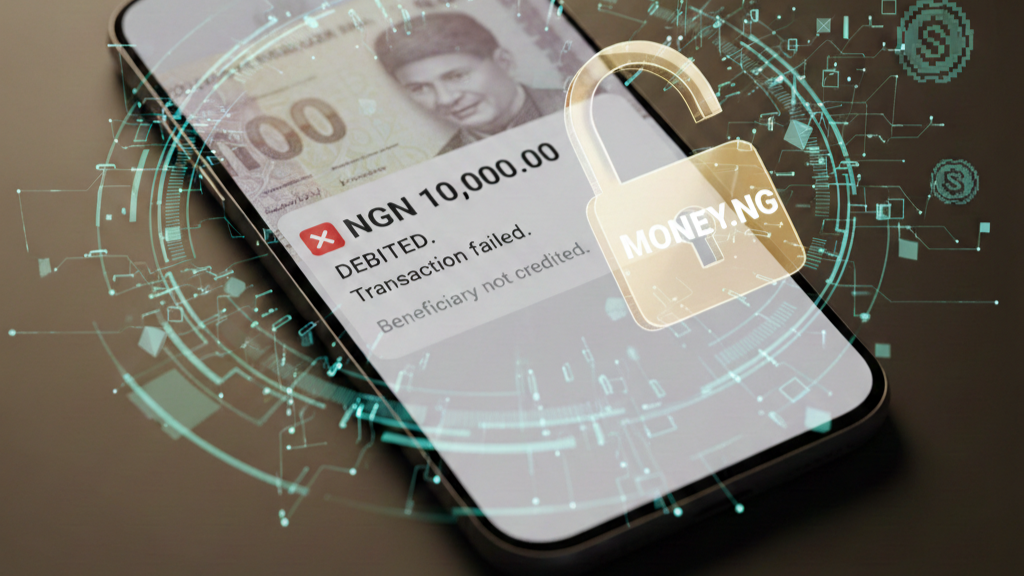
Few things are more frustrating than sending money only for the recipient to say they didn’t receive it. Failed or delayed transfers happen in Nigeria due to network issues, bank delays, or system errors.
Knowing what steps to take can help you recover your money quickly.
Why Transfers Fail
Common causes include:
- Network downtime
- Bank server maintenance
- Incorrect account number
- Interbank settlement delay
First Things To Check
Before panicking:
- Confirm account number
- Check the transaction receipt
- Wait 5–30 minutes
- Refresh the banking app
Many transactions resolve automatically.
Steps To Recover Your Money
Step 1: Wait Standard Reversal Time
Most Nigerian banks reverse failed transfers within:
- Same bank → minutes
- Different bank → 24 hours
- Weekends → next business day
Step 2: Contact Your Bank
Provide:
- Transaction reference
- Amount
- Date
- Recipient account
Step 3: Contact the Recipient Bank
If the delay persists, the receiving bank may need to trace it.
Step 4: File Complaint
If not resolved:
- Escalate through bank support
- File a complaint with the regulator
How To Prevent Failed Transfers
- Double-check the account number
- Avoid peak transaction times
- Maintain a stable internet
- Use official banking apps
Repeated transaction issues may also signal account problems, as explained in Why Nigerian Banks Freeze Accounts (And How to Avoid It)
FAQ
How long should I wait before reporting?
Wait at least 30 minutes.
Will I lose my money permanently?
Rarely. Most failed transfers are reversed.
Can banks track transactions?
Yes. Every transfer has a unique reference ID.
Conclusion
Failed transfers are common but usually temporary. Acting quickly, keeping transaction details, and contacting your bank promptly ensures you recover your money without stress.